
Paint Solution
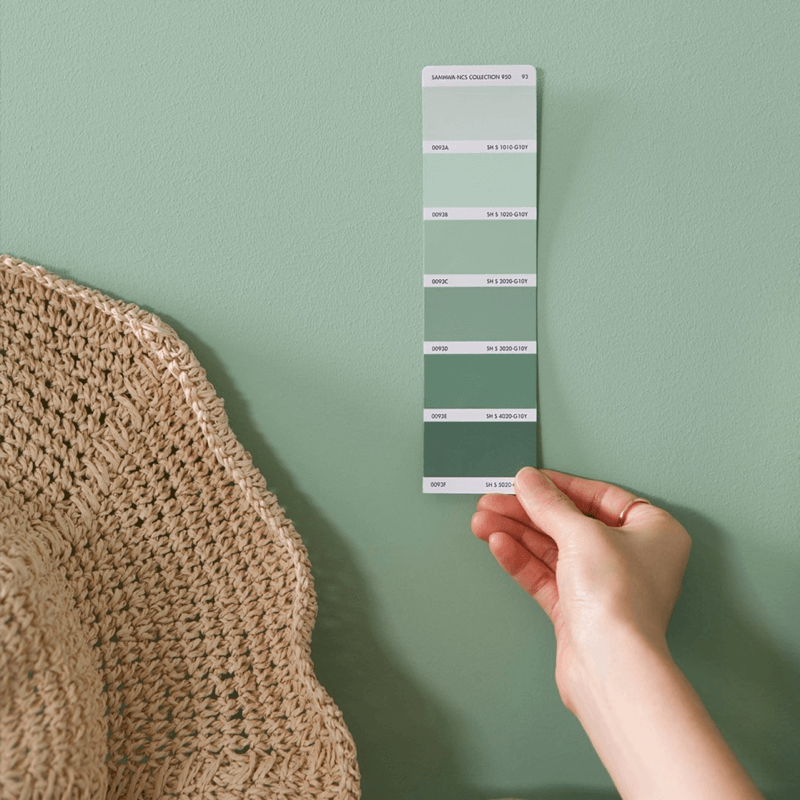 Wall paint
친환경 벽지 페인트
Wall paint
친환경 벽지 페인트
What are you looking for?
- Suggested keywords
- #Aisaengkag # FLAMECHECK # EPOCOAT
- PRODUCT14 Types


- Home
- Culture
- News
Ceremony held to mark completion of Samhwa Vina plant in Vietnam
2017/11/06Samhwa celebrates the completion of Samhwa Vina’s new plant in Vietnam.
With a 60% increase in productivity, the new plant is expected to cater to growing demand,
thanks to increasing Korean investment in Vietnam.
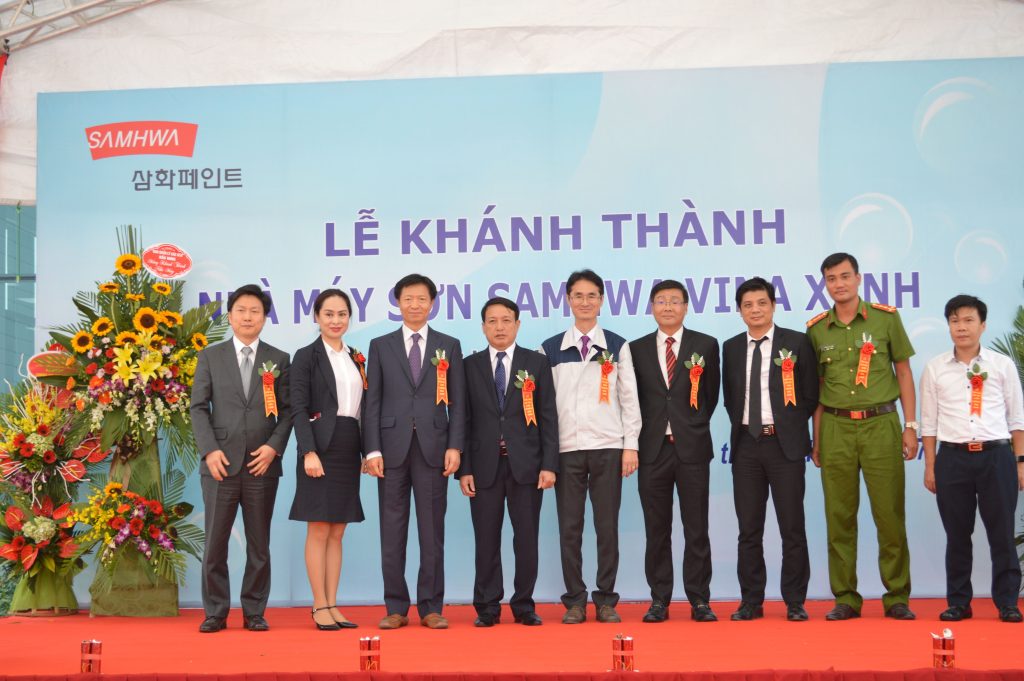
Samhwa Paints held a ceremony on Friday, November 3, to mark completion of the new plant for Samhwa Paints Vina in Bac Ninh in north Vietnam.
The ceremony drew the attendance of 100 or so guests, including Oh Jin-su, CEO of Samhwa Paints; Bae Maeng-dal, head of Samhwa Paints’ International Business Division; Oh Cheon-geun, CEO of Samhwa Vina; Nguyen Dec Cao, Deputy Director of the Bac Ninh Industrial Park Management Committee; Nguyen Tien Cuet, Director of the Cuet Labor Center; and Victor Lim, Vice-President of the VS Industrial Park.
Situated about an hour’s drive from Hanoi, the Vietnamese capital, Bac Ninh has been attracting a growing number of Korean investors. Samhwa established Samhwa Vina in the region in 2010. The subsidiary company specializes in manufacturing plastic-surface paints that are mostly used to paint electronics like mobile phones. Samhwa Vina was one of Samhwa’s most successful overseas operations until 2015 or so, before the demand for its paints began to drop due to changes in smartphone design.
Last year, Samhwa Vina decided to break through the current stalemate by investing USD 6 million in creating a new and larger plant on a site more than double the size of the location of its existing plant. Equipped with an automated production line, the new plant can produce 60 percent more than the previous one, or up to 6,500 tons of paint a year.
The new plant will manufacture a much broader array of products, including paint for more than smartphones, to include peripheral devices and accessories as well as other consumer electronics and vehicle interiors and exteriors, in addition to pre-coated metals, striving to supply these products on time.
Vietnam is quickly emerging as an appealing alternative to China for international investors, thanks to the country’s abundance of labor, tax benefits, and political stability. Corporations from Korea and elsewhere around the world are increasingly investing in the country.
Oh Jin-su, CEO of Samhwa Paints, remarked at the ceremony: “We expect the demand for Samhwa Vina’s paints to grow thanks to the increasing presence of Korean companies in the region. The synergy between Samhwa Vina with its new plant and Samhwa VH established last year should help both companies continue to improve their competitiveness.” Samhwa Paints established Samhwa VH in Dong Nai Province, near Ho Chi Minh City, in August last year in an effort to respond more promptly to changing local demand.
Next Story
-
 Samhwa obtains patent for its paint which prevents concrete neutralization
The new paint is expected to strengthen the weather resistance, elasticity, and water repellency of concrete structures, helping owners reduce the cost of maintenance Samhwa Paints released the news on Wednesday, March 6, of its recent success in obtaining a patent for its concrete…
Samhwa obtains patent for its paint which prevents concrete neutralization
The new paint is expected to strengthen the weather resistance, elasticity, and water repellency of concrete structures, helping owners reduce the cost of maintenance Samhwa Paints released the news on Wednesday, March 6, of its recent success in obtaining a patent for its concrete…
-
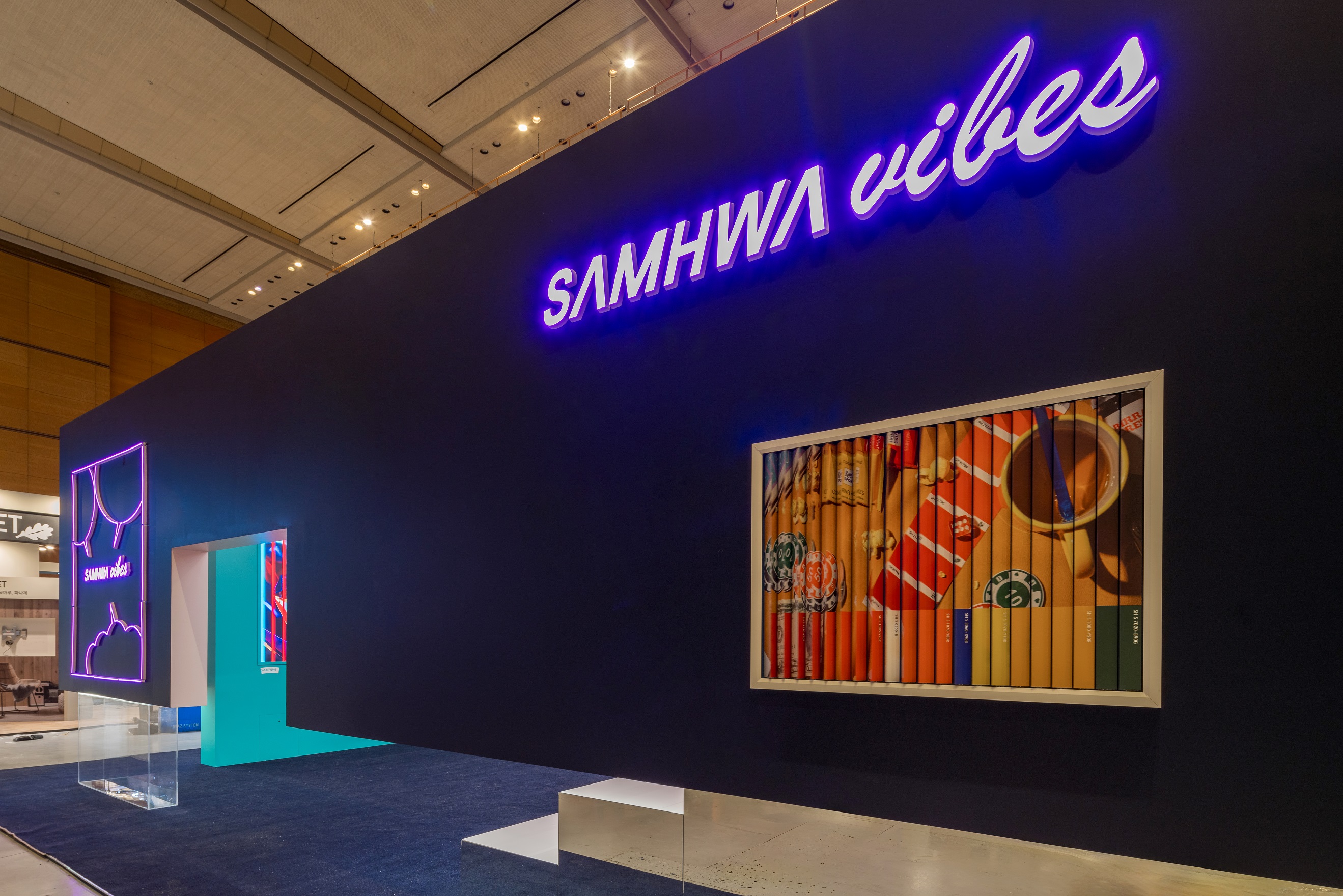 Samhwa to be featured at 2024 Seoul Living Design Fair
Introducing a digital color book of 1,200 colors,along with braille cards for the visually impaired Samhwa Paints will be featured at the 2024 Seoul Living Design Fair at COEX from Wednesday, February 28, to Sunday, March 3, this year. The annual fair is the largest…
Samhwa to be featured at 2024 Seoul Living Design Fair
Introducing a digital color book of 1,200 colors,along with braille cards for the visually impaired Samhwa Paints will be featured at the 2024 Seoul Living Design Fair at COEX from Wednesday, February 28, to Sunday, March 3, this year. The annual fair is the largest…
-
 Samhwa introduces all-natural lime paints that are also nonflammable
Compliant with the standards for non-flammability and gas toxicity test results set by the Ministry of Land, Infrastructure and Transport.
Samhwa introduces all-natural lime paints that are also nonflammable
Compliant with the standards for non-flammability and gas toxicity test results set by the Ministry of Land, Infrastructure and Transport.
News
Get the latest updates on
SP SAMHWA and its products
SP SAMHWA and its products
Ceremony held to mark completion of Samhwa Vina plant in Vietnam
2017.11.06Samhwa celebrates the completion of Samhwa Vina’s new plant in Vietnam.
With a 60% increase in productivity, the new plant is expected to cater to growing demand,
thanks to increasing Korean investment in Vietnam.
Samhwa Paints held a ceremony on Friday, November 3, to mark completion of the new plant for Samhwa Paints Vina in Bac Ninh in north Vietnam.
The ceremony drew the attendance of 100 or so guests, including Oh Jin-su, CEO of Samhwa Paints; Bae Maeng-dal, head of Samhwa Paints’ International Business Division; Oh Cheon-geun, CEO of Samhwa Vina; Nguyen Dec Cao, Deputy Director of the Bac Ninh Industrial Park Management Committee; Nguyen Tien Cuet, Director of the Cuet Labor Center; and Victor Lim, Vice-President of the VS Industrial Park.
Situated about an hour’s drive from Hanoi, the Vietnamese capital, Bac Ninh has been attracting a growing number of Korean investors. Samhwa established Samhwa Vina in the region in 2010. The subsidiary company specializes in manufacturing plastic-surface paints that are mostly used to paint electronics like mobile phones. Samhwa Vina was one of Samhwa’s most successful overseas operations until 2015 or so, before the demand for its paints began to drop due to changes in smartphone design.
Last year, Samhwa Vina decided to break through the current stalemate by investing USD 6 million in creating a new and larger plant on a site more than double the size of the location of its existing plant. Equipped with an automated production line, the new plant can produce 60 percent more than the previous one, or up to 6,500 tons of paint a year.
The new plant will manufacture a much broader array of products, including paint for more than smartphones, to include peripheral devices and accessories as well as other consumer electronics and vehicle interiors and exteriors, in addition to pre-coated metals, striving to supply these products on time.
Vietnam is quickly emerging as an appealing alternative to China for international investors, thanks to the country’s abundance of labor, tax benefits, and political stability. Corporations from Korea and elsewhere around the world are increasingly investing in the country.
Oh Jin-su, CEO of Samhwa Paints, remarked at the ceremony: “We expect the demand for Samhwa Vina’s paints to grow thanks to the increasing presence of Korean companies in the region. The synergy between Samhwa Vina with its new plant and Samhwa VH established last year should help both companies continue to improve their competitiveness.” Samhwa Paints established Samhwa VH in Dong Nai Province, near Ho Chi Minh City, in August last year in an effort to respond more promptly to changing local demand.
Next Story
-
Samhwa obtains patent for its paint which prevents concrete neutralizationThe new paint is expected to strengthen the weather resistance, elasticity, and water repellency of concrete structures, helping owners reduce the cost of maintenance Samhwa Paints released the news on Wednesday, March 6, of its recent success in obtaining a patent for its concrete…
-
Samhwa to be featured at 2024 Seoul Living Design FairIntroducing a digital color book of 1,200 colors,along with braille cards for the visually impaired Samhwa Paints will be featured at the 2024 Seoul Living Design Fair at COEX from Wednesday, February 28, to Sunday, March 3, this year. The annual fair is the largest…
-
Samhwa introduces all-natural lime paints that are also nonflammableCompliant with the standards for non-flammability and gas toxicity test results set by the Ministry of Land, Infrastructure and Transport.